11/09/2026
Resources
Micro-Enterprise VAT in France: Understanding Thresholds and the VAT Exemption Scheme
5 minutes
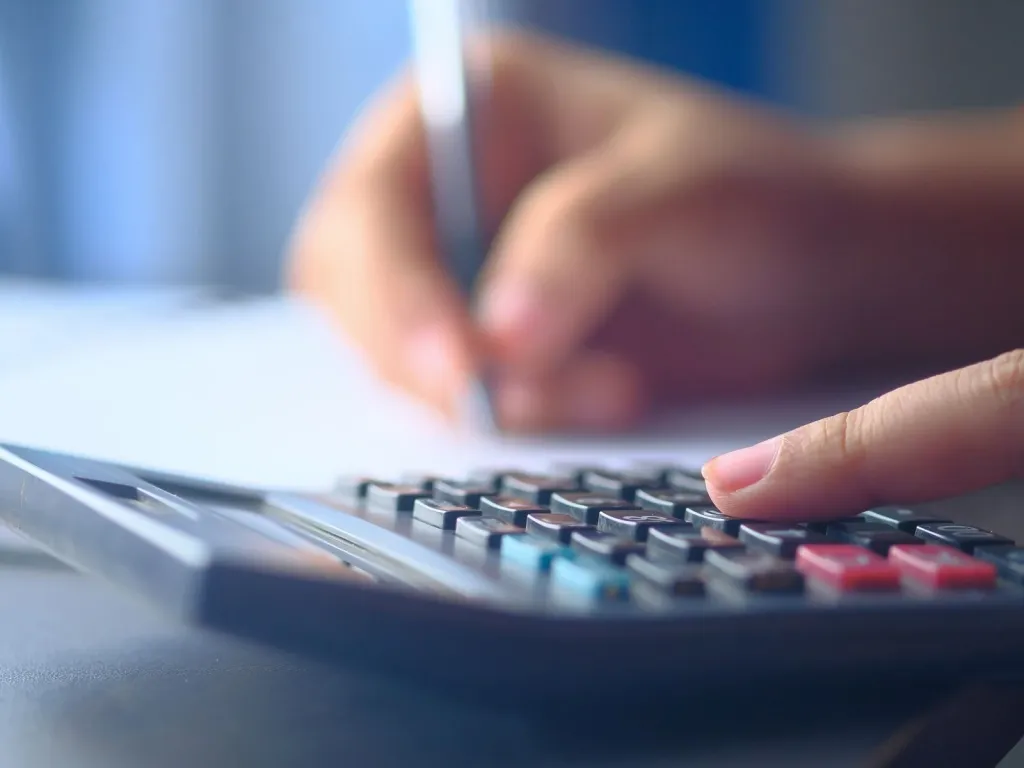

Have you recently launched your micro-enterprise, or have you been managing it for a few months already? If so, questions about VAT for micro-enterprises probably come up regularly in conversations with other self-employed professionals. That's perfectly normal, as this topic combines several concepts that may seem similar but are actually quite different. Let's take the time to clarify everything, including thresholds, the VAT exemption scheme, and the consequences of exceeding a threshold, so that you can confidently move forward with your business.
What Is the VAT Exemption Scheme for a Micro-Enterprise?
The VAT exemption scheme ("franchise en base de TVA") is the default regime that applies when you create your micro-enterprise. In practical terms, as long as your turnover remains below certain thresholds, you do not charge VAT to your customers. This means you do not collect VAT on behalf of the French tax authorities, you do not need to file VAT returns, and your accounting remains relatively simple.
On the other hand, you cannot recover the VAT paid on your business expenses. If you invest in equipment or software, you pay VAT just like a private individual, without the possibility of deducting it. This is an important consideration if your business requires significant investments.
Your invoices must also include a mandatory statement indicating that you benefit from this VAT exemption regime. Failing to include this information may result in a penalty, so it is worth checking now that your invoice templates are fully compliant.
VAT Thresholds for Micro-Enterprises You Need to Know
Following several contradictory announcements throughout 2025 regarding the introduction of a single VAT threshold, the traditional VAT thresholds for micro-enterprises were ultimately maintained for 2026. These thresholds vary depending on the nature of your activity, so let's identify which ones apply to your business.
Thresholds for Trading Activities
If you sell goods or operate a catering or accommodation business, your standard threshold is €85,000 in annual turnover. A higher threshold also applies and is set at €93,500. As long as your turnover remains below €85,000, you continue to benefit from the VAT exemption. Between the standard and higher thresholds, you retain the exemption for the current year.
Thresholds for Service Providers
For service activities, the thresholds are different. The standard threshold is €37,500, while the higher threshold is €41,250. Many freelancers, consultants, and professional service providers operate around these figures, making careful monitoring especially important.
Keep in mind that these VAT exemption thresholds are completely separate from the turnover limits applicable to the micro-tax regime, which are set at much higher levels. You can exceed the VAT threshold while still remaining a micro-entrepreneur.
What Happens If You Exceed the VAT Threshold as a Micro-Entrepreneur?
Exceeding a threshold does not have the same consequences depending on whether you exceed the standard threshold or the higher threshold. Let's look at both situations.
Exceeding the Standard Threshold
If your turnover exceeds the standard threshold but remains below the higher threshold, you keep the VAT exemption for the remainder of the current year. However, you must begin charging VAT from January 1 of the following year, even if your business activity slows down in the meantime. The clock does not automatically reset.
Exceeding the Higher Threshold
If you exceed the higher threshold during the year, the situation becomes more immediate. You become liable for VAT from the exact date on which the threshold is exceeded. It is therefore important to act quickly in order to remain compliant with your obligations.
Steps to Take When a Threshold Is Exceeded
Once the higher threshold has been exceeded, several actions will be required.
- Inform the Business Tax Department (Service des Impôts des Entreprises) responsible for your business, generally through your online professional account.
- Apply for an intra-community VAT number, which is required for issuing your new invoices.
- Update your quotation and invoice templates to include all mandatory VAT information.
- Notify your customers of the change, particularly private individuals who may see your prices increase.
These VAT-related procedures for micro-enterprises require some organization, but they remain manageable without specialist support if you address them in the proper order.
Can You Choose to Charge VAT Voluntarily?
Yes. You do not have to wait until you exceed a threshold. You can opt into VAT voluntarily as a micro-entrepreneur, which may be beneficial if the majority of your clients are VAT-registered businesses. In that case, they can recover the VAT charged on your invoices, and you can deduct the VAT paid on your own business purchases.
This option deserves careful consideration based on your client base and business expenses. For businesses that primarily serve private consumers, the VAT exemption scheme often remains the more attractive option because it allows you to offer more competitive prices.
2iCS Takes Care of Your VAT and Threshold Monitoring
Keeping track of your turnover thresholds and identifying the right time to switch to VAT requires constant attention, something that is not always compatible with the day-to-day demands of running a business. This is exactly what 2iCS offers through its Micro-Enterprise Management service.
You remain fully in control of your business while 2iCS handles the monitoring of your thresholds, your monthly declarations, and your interactions with URSSAF regarding VAT and the Business Property Tax (CFE).
This service is particularly suited to micro-entrepreneurs who prefer to focus their energy on their core business rather than administrative paperwork. It becomes especially valuable as soon as administrative tasks begin taking up too much of your time.
Key Takeaways About VAT for Micro-Enterprises
VAT for micro-enterprises is based on a simple principle: the VAT exemption scheme applies as long as your turnover remains below specific thresholds, which vary according to your activity. Regularly monitor your revenue, anticipate the required procedures if you are approaching a threshold, and do not hesitate to seek support if your situation becomes more complex. A solid understanding of these rules will help you avoid unpleasant surprises and manage your business with greater confidence.

Need to get in touch with a 2iCS advisor?


Meet the author
of this article


Ibrahim HACHEM
Head of Sales
Holding a Master’s degree in International Business, Ibrahim is currently Head of Sales at 2i Group, where he contributes to business growth and leads the development and performance of the sales teams.

Contents
- What Is the VAT Exemption Scheme for a Micro-Enterprise?
- VAT Thresholds for Micro-Enterprises You Need to Know
- What Happens If You Exceed the VAT Threshold as a Micro-Entrepreneur?
- Steps to Take When a Threshold Is Exceeded
- Can You Choose to Charge VAT Voluntarily?
- 2iCS Takes Care of Your VAT and Threshold Monitoring
- Key Takeaways About VAT for Micro-Enterprises

These other articles
might interest you


Resources
How to Choose the Right Business Development Services Provider?
14 Sept 2026

Resources
10 Tips to Work Better Without Working More as a Freelancer
14 Sept 2026

Resources
How to Set Your Freelance Rates: Pricing Your Services with Confidence?
14 Sept 2026